


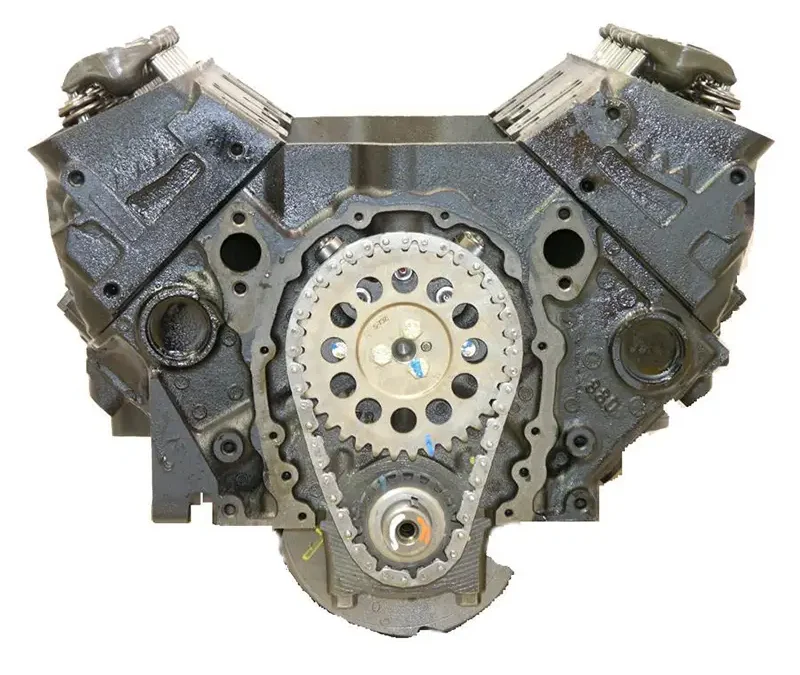
The Chevrolet 350 engine, produced from 1996 to 2000, is a storied powerplant that has left an indelible mark on the automotive world. Known for its reliability, performance, and versatility, the 350 engine became a favorite among car enthusiasts and mechanics alike. Let’s dive into what makes this engine so special and why it remains a beloved choice even decades after its production ceased.
A Brief History
The Chevrolet 350 engine is part of the Small Block V8 family, which has been a cornerstone of General Motors’ engine lineup since its introduction in 1955. The 350 variant, with its 5.7-liter displacement, debuted in 1967 and quickly gained popularity for its power and durability. The version produced between 1996 and 2000 represents the final iterations of this iconic engine before it was succeeded by the LS series.
Key Features and Specifications
1. Vortec Technology: The 1996-2000 models were equipped with Vortec cylinder heads, which significantly improved airflow and combustion efficiency. This resulted in better performance and fuel economy compared to earlier versions.
2. Horsepower and Torque: The 350 engine in this period typically produced around 255-260 horsepower and 330-350 lb-ft of torque. These figures made it suitable for a wide range of applications, from muscle cars to trucks.
3. Sequential Fuel Injection (SFI): The introduction of SFI in these models provided precise fuel delivery, enhancing both performance and emissions. This technology contributed to smoother operation and improved throttle response.
4. Durability: Known for its robustness, the 350 engine could endure high mileage with proper maintenance. Its cast-iron block and heads provided a strong foundation, while the hydraulic roller camshaft reduced wear and tear on the valvetrain.
Applications
The Chevrolet 350 engine found its way into a variety of vehicles during its 1996-2000 production run:
– Chevrolet C/K Trucks: These full-size trucks benefited greatly from the 350’s torque, making them capable workhorses for towing and hauling.
– Chevrolet Suburban and Tahoe: These SUVs needed reliable and powerful engines to move their substantial weight, and the 350 delivered just that.
– Chevrolet Express and GMC Savana Vans: Used in commercial and passenger applications, these vans required the dependable power of the 350 for various tasks.
– Performance Cars: The engine also saw use in performance-oriented models, offering enthusiasts a blend of power and reliability.
Legacy and Enthusiast Appeal
Even though the production of the Chevrolet 350 engine ended in 2000, its legacy continues to thrive. Enthusiasts appreciate the engine for its simplicity, ease of modification, and abundant aftermarket support. Whether used in classic car restorations, hot rods, or custom builds, the 350 remains a popular choice.
The engine’s adaptability means it can be found in a wide range of projects. From daily drivers to dedicated track cars, the 350’s versatility ensures it remains relevant. Additionally, the wealth of available parts makes it easy to upgrade and maintain, further cementing its status as a go-to engine for car builders.
Where to Purchase
If you’re looking to get your hands on a Chevrolet 350 engine from 1996-2000, you can purchase this engine from Colorado Engine. Check out their offering at [Colorado Engine](https://coloradoengine.com/product/chevrolet-350-96-2000-engine/) now.
Conclusion
The Chevrolet 350 engine from 1996 to 2000 represents the culmination of decades of engineering refinement. Its blend of performance, reliability, and versatility has earned it a permanent place in the annals of automotive history. As enthusiasts continue to embrace and celebrate this iconic powerplant, the 350’s legacy is assured for generations to come. Whether you’re restoring a classic Chevy or building a custom masterpiece, the Chevrolet 350 engine remains a timeless choice that embodies the spirit of American automotive ingenuity.